Myotcstore.com Blog | Health topics on OTC medicines, Nutrition products and Beauty tips.
blog.myotcstore.com
Shop By Brands @ myotcstore |
Showing posts with label Pharmacy otc. Show all posts

Stop Smoking - Recovering From The Addiction

Stop Smoking - Recovering From The Addiction

We often hear that smoking is injurious to health, but then we conveniently forget this fact the moment we stick a cigarette in our mouth. Breaking the habit of smoking is challenging, and more so, recovering from the addiction. One way to stop smoking is to gradually reduce the number of cigarettes/cigars smoked daily, and eventually stop altogether. This requires strong resolve, and many a time, smoking cessation needs medical intervention and counseling.

The habit of smoking can prove to be injurious to one's health. Using smoking cessation products and medication is the most appropriate way to quit smoking.Smoking is a physical, as well as psychological addiction. There are many people all over the world who smoke daily. This habit can prove to be very dangerous, since it can cause some serious medical conditions. Heavy smokers often find it hard to stop overnight. You can certainly get rid of this habit, but it usually takes a while.
Stop Smoking - Recovering From The Addiction


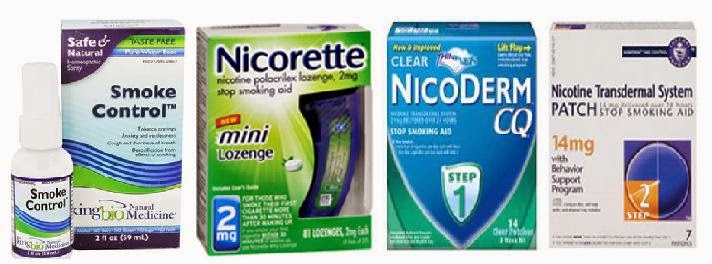
1. Nicotine Patch: These are self-adhesive, small patches which are to be placed on any part of the body, generally where there is no hair. They supply nicotine to the body at a constant rate, which helps you suppress the cravings for smoking.

2. Nicotine Lozenge: These are small tablets meant to be placed in between the gums and cheeks. They have some amount of nicotine that mixes in the bloodstream, which in turn reduces your craving for smoking.

3. Nicotine Nasal Spray: This is a product which is supposed to be sprayed into the nostrils. It also consists of some amount of nicotine which is absorbed by the nose lining, resulting in the person not feeling the need for smoking.

4. Nicotine Inhaler:
This is a device which provides little doses of nicotine to keep a control on the cravings. When you use this inhaler, a small amount of therapeutic nicotine gets dissolved in the bloodstream, hence contributing to smoking cessation.

5. Nicotine Gum: These are chewing gums with suitable amounts of therapeutic nicotine levels. The nicotine is absorbed in the bloodstream through the lining of the mouth, which again discourages your smoke cravings.

A few of the aforementioned products not only help you get rid of your smoking habit, but also aid in dealing with the withdrawal symptoms. It is strongly recommended that you use these products after consulting with a qualified doctor. In some cases of extreme smokers, a combination of herbal products as well as medicinal therapies is essential. You will also need to use a few of these products throughout the day in order to decrease your cravings. Also, note that the aforementioned aids to quit smoking are sold under different brand names.

Benefits of Quitting Smoking
There are so many disastrous effects of smoking on one's health. For instance, the risk of developing cancer is much higher in smokers than in non smokers. Lung cancer is most commonly found in smokers. Other forms of cancer that they can get includes blood cancer, brain cancer, breast cancer, pancreas cancer and so on. If you do not smoke for the next ten years, then the risk of death from cancer reduces to half.

Prolonged period of smoking leads to hardened blood vessels. This makes smokers prone to high blood pressure, stroke, and heart disease. When you stop smoking, the body's self-correcting mechanism, given time, significantly reduces this risk.

There are several adverse effects of smoking on your sexual health. Men often suffer from impotency after heavy smoking, because normal blood flow to the penis and gonads gets badly affected by smoking. Many smokers get a low sperm count, as the sperm produced by the body fails to survive for long. Even the childbearing age of women who smoke gets shortened due to nicotine.

Smoking gives rise to so many gastrointestinal problems. This happens because it tends to increase the acid production inside the stomach. This excess of acids often flows back into the esophagus and causes gastrointestinal reflux. As a result, you feel a constant burning sensation in your chest, and many other physical discomforts that you just accept as an inevitable part of your life. Once you stop the habit, these niggles will be negated.

As soon as you stop smoking, the body's healing mechanism starts working, and repairs the damage caused by smoking. Body temperature, blood pressure, and pulse rate, that tend to rise under the influence of nicotine, gets normalized when you stop smoking for few days. The chronic cough that used to keep you (and your family, and pets, and neighbors) awake during the night will stop bothering you within a month or two. You will get a more refreshing feel every time you breath. Your stamina and lung capacity, which is the health aspect most affected by nicotine, increases within six months.

Tips to Stop Smoking Naturally
Getting rid of the habit of smoking can be very tough. However, the more you prepare yourself for quitting, the easier the task will be.

1. Prepare a Plan: Most smokers, at some point in their life, do try to quit smoking but without any success. A mistake that most of them commit is that they quit suddenly. While sudden, abrupt quitting does work for a few, it may not for most. If you are the type of smoker who cannot wake up one fine day and announce "I quit!", then you need to chalk out a proper quitting plan.

2. Set a Deadline: Naturally, this should be the next logical step that follows. Set yourself a quitting deadline. It could be anything between two weeks to two months. However, be sincere and serious about it. If you end up giving yourself a period of six months to quit smoking those cigars, it simply means that you're not serious about it.

3. Make up your mind: There are various drugs and medications available to assist people who wish to quit this habit; however, they are of no use if not backed with a strong will and commitment. So, one of the first things you have to do is take a firm and final decision to get rid of this habit. As strong will-power will make all the difference in your life, without which the following tips will be of no use.

4. Begin Slowly: One of the main reasons why many quitters fail is that, they stop smoking suddenly, which results in quick and sudden relapse. To avoid this, start with reducing the number of cigarettes you smoke daily. Take a week or two for yourself, to come to one cigarette a day. By now, your dependence on smoking would have decreased and you will be more confident about leaving that one cigarette too. Then decide a date when you will give up this habit completely, and do so successfully.
Stop Smoking - Recovering From The Addiction

5. Flush Out the Nicotine: Once you have quit this habit completely, get rid of all the nicotine content from your body. To flush the nicotine, drink plenty of water, or fruit and vegetable juices, for a couple of days. A whole day of a liquid diet can help you immensely. After that, start following a healthy diet which includes fiber, protein, and carbohydrates. Avoid eating junk food and foods high on sugars.

6. Get High Without Smoking: Nicotine in cigarette makes the smoker feel relaxed by increasing the dopamine activity in the brain. This results in increased pleasure of the smoker.

7. Start Cutting Down: If you want to meet your deadline date, you should immediately start cutting down on your daily dose of cigarettes. How many cigarettes you cut down per day will depend on how heavy a smoker you are. During this phase, you could also consider substituting your regular cigarettes with special smokeless cigarettes.

8. Find a Friend: By this I do not mean go around town making new friends. What it implies is that you should catch hold of a fellow aspiring quitter. Having the company of somebody who is going through the same journey as you are, can sometimes help in strengthening your resolve and can make the task a little bit easier. Just make sure that the other person too is equally serious about quitting smoking.

9. Find Out Your Weaknesses: This is something that you should do while you are in the quitting process itself, and not after you have quit. Think about what situations make you want to light up. Are there any specific daily activities that trigger you to have a puff? Identify them and note them down. In future, you will need to distract yourself during these very situations.

10. Visualize: This is a very powerful weapon. Close your eyes and see yourself as having quit smoking successfully. Visualize yourself as having achieved your goal. Doing so not only strengthens you mentally, but the positive vibrations and frequencies that you give out to the universe do come back in the form of desired success.

11. Family Support: This is also something that is very important in making sure that you stay away from cigarettes after having taken the trouble to quit. Each time that you feel like lighting up, ask your family members or friends to distract you, keep you busy, and in the process, keep you away from cigarettes. Slowly, your psychological and physical dependence on tobacco and nicotine will start reducing and it will ultimately be eliminated.

12. Think Positive: It is one of the most important things in the process of quitting smoking. Always think positively about your new resolution. Even if you fail once it does not mean that you're a failure. So, do not be hard on yourself, just be confident and committed. You must stand by your decision, and you will succeed. If possible, also try to involve someone in your quitting plan so that he or she can motivate and inspire you to keep up with your commitment.

There are various activities that can help you relax, and distract from the urge to smoke:
• Exercise regularly
• Go for a short walk or jog
• Go for a long drive or bike ride
• Listen to music
• Talk to friends, family members, and loved ones when you feel depressed
• Meditate to keep stress at bay
• Engage in your hobbies
• Treat and reward yourself with a movie, dinner, or a new book every time you succeed suppressing the urge to smoke

Try to Stay Away From Smoking: You must anticipate the situations and feelings that generally make you feel the urge to smoke, and try to avoid them. For example:
• Avoid joining your friends who smoke, and who are most likely to force you to do so.
• Substitute your smoke break with 'water breaks' or 'juice breaks'.
• Keep yourself busy in work or some or the other task, such as talking to friends, and walking, etc.
• Give some exercise to your brain, by playing crosswords, puzzles, and riddles, etc.
• Try to keep your hands busy, doing household chores, such as washing the car and gardening, or writing and painting, etc.
• Keep hard candy or chewing gum handy, and chew on them when you feel the urge to smoke.
• When it comes to going out, make sure to choose places where smoking is not allowed.
• Try to socialize more with people who don't smoke.
• You may also join a support group where you can share your feeling and problems.

Myotcstore Related Categories:

Nicotine Patches

Smoking Cessation Gums and Lozenges
Accu-Chek Diabetes Care

Accu-Chek Diabetes Care

Diabetes currently affects 246 million people worldwide and is expected to affect 380 million by 2025. There are currently over 2.5 million people with diabetes in the UK and there are more than half a million people with diabetes who have the condition and don't know it. Even though diabetes affects nearly 4% of the world’s population, many people know very little about the disease.

Blood Glucose Monitoring
Controlling your blood glucose is very important part of managing diabetes. Regularly testing your blood glucose helps measure the effectiveness of your dietary planning, exercise and medication.

To self-test your blood glucose, you need a blood glucose meter, a test strip and a finger pricker. Then, follow these steps:
• Wash your hands in warm water and dry thoroughly. (this will remove and substances which may interfere with the test results).
• Prick the side of your finger with the lancing device to obtain a drop of blood.
• Apply the drop to the test strip as directed.
• Wait a few seconds to view your results.
• Discard the lancet and test strip properly.

If you are going out for the day and think hand-washing facilities won’t be available, pack a wet flannel in a plastic bag to wipe your fingers with before you test your blood sugar. It is best not to use 'wipes' as these can alter your blood glucose reading.

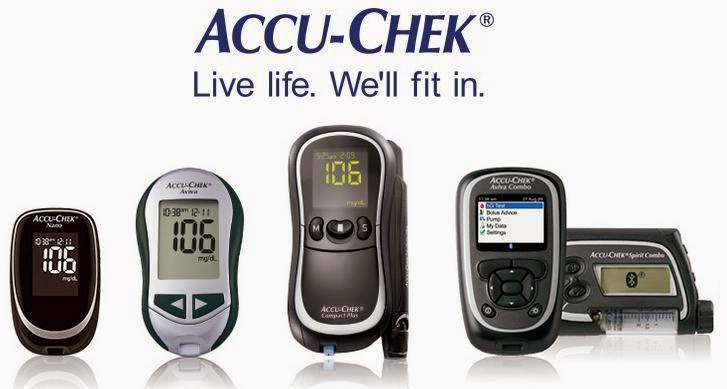
Accu-Chek is the brand of blood sugar-testing devices (glucose meters) and Insulin Pumps (including the Accu-Chek Combo System) manufactured by Roche Diagnostics, largely for the diabetic market. Accu-Chek is largely regarded as a top blood glucose monitor globally.

Accu-Chek Blood Glucose Monitor Kits contain: - a blood glucose meter which measures blood sugar via an inserted one-time-use strip (Accu-chek Aviva, Accu-chek Aviva Nano), which deploys a lancet marginally through the epidermis of the finger in order to allow a small amount of blood to be squeezed onto the strip in the monitor - a user manual - registration cards for the lifetime warranty.

Accu-Chek Diabetes Care


Accu-Chek Diabetes Care: Accu-Chek products are designed to help you manage diabetes on your terms, whether you need a meter that fits your busy lifestyle, an insulin pump for 24/7 blood glucose management or software to help you track your results from day to day.

Accu-Chek Lancets: A pen-like device that pricks the skin with fine needle, or lancet, to obtain a blood sample for testing. A pricking needle used to obtain drops of blood for testing. Lancets are designed to only be used once, and then disposed of in a safe way. Using a lancet just once will make it more blunt, and therefore more painful to use. There are a variety of ways of getting rid of used lancets safely as they can carry infection. Some companies sell sharps boxes, and GPs can even prescribe sharps bins to dispose of lancets safely.

Accu-Chek Test Strips: Blood glucose test strips (diabetes test strips) are one of the components of a diabetes monitoring system. Diabetic test strips are an essential part of monitoring blood glucose. Diabetes test strips do not work on their own, they are used in conjunction with a blood glucose monitor. A diabetic pricks themselves in order to draw blood, which is then applied to the test strip. The blood glucose monitor is then able to detect how much blood glucose is present.

Choosing the right blood sugar meter
There are many blood sugar meters to choose from, so start by thinking about what's most important to you.

• Do you use blood glucose results to dose insulin? Make sure you're using a meter and test strips that provide accurate results. Roche quality control processes ensure consistent accuracy. Find out more about our accuracy commitment.
• Do you feel like you're always short on time? A blood sugar meter that gives results quickly or a system that doesn't require you to load test strips, code the meter or handle lancets each time may be right for you.
• Would you like to reduce the pain of testing? Choose a system with a lancing device specifically designed to minimize pain.
• Will you track results in the blood sugar meter or on a computer? Most blood sugar monitors have built-in memories, and many can beam data directly to your computer.
• Is it important to have your supplies covered by insurance? ACCU-CHEK products are covered on most healthcare plans and Medicare1 to help you save money on test strips.

Think about what will make testing easier for you, then look for a system that fits your needs.

How to test blood sugar?
To test your blood sugar level, collect your blood glucose meter, a test strip and lancing device.

Follow these steps:
• Wash and dry your hands using warm water may help the blood flow.
• Turn on the meter and prepare a test strip as outlined in your owner's booklet.
• Choose your spot don't check from the same finger all the time.
• Follow the manufacturer's instructions to prepare the lancing device and get a drop of blood from the side of your fingertip or other approved site.
• Check your blood sugar by touching and holding the test strip opening to the drop until it has absorbed enough blood to begin the test.
• View your test result and take the proper steps if your blood sugar is too high or low, based on your healthcare professionals' recommendations.
• Discard the used lancet properly.
• Record the results in a logbook, hold them in the meter's memory or download to a computer so you can review and analyze them later.

Accu-Chek Diabetes Care

When to test blood sugar?

1. Routine or daily testing
Timing your routine or daily testing as recommended can help you see how your meals, medications and activities affect your blood sugar. The American Diabetes Association (ADA) recommends that you routinely test blood sugar levels as an effective part of any self-care program. For people using insulin, the ADA recommends testing 3 or more times a day.1 If you take another kind of medication, test your blood sugar level as often as your healthcare team recommends. Your logbook is a good way to keep track of routine testing results.

You and your healthcare team will determine when you should test your blood sugar based on your current health, age and level of activity, as well as the time of day and other factors. They may suggest that you test your blood sugar at any of the following times:

• Before each meal
• 1 or 2 hours after a meal
• Before a bedtime snack
• In the middle of the night
• Before physical activity, to see if you need a snack
• During and after physical activity
• If you think your blood sugar might be too high or too low, or falling
• When you're sick or under stress

2. Structured testing
In addition to your routine or daily testing schedule, you may want to consider testing your blood sugar levels in a structured way if you:

• Adjust your insulin or oral medication
• Begin a new medication unrelated to diabetes
• Change your activity program, meal plan, work or school schedule

Short-term structured testing supports your routine or daily testing by having you check your blood sugar before and after the things you do. It can help you determine if you're in a safe range and to problem-solve around how the things you do are connected to your blood sugar. Use these tools to make changes one step at a time, instead of trying to change everything at once.

If you find you're doing everything your healthcare team recommends but your A1C test result is rising, or if you don't feel well, be sure to talk with your healthcare professional. He or she can give you an ACCU-CHEK 360° View tool to complete to help you see your blood sugar patterns over 3 days. At a glance, you two will be able to quickly see patterns that can be used to make adjustments to your treatment plan that can help you feel better and lower your A1C.4

Once you know what to work on, you may decide to go a step further and try a 7-day challenge with the ACCU-CHEK Testing in Pairs tool. The easy-to-use ACCU-CHEK Testing in Pairs tool helps look at one thing and see the change with before-and-after testing. You can see changes in your blood sugar before and after a specific meal, exercise or other event. Use it for 7 days to see how one thing in your daily routine affects your blood sugar.

Take your completed tool to your next appointment so your healthcare professional can help you fine-tune your diabetes management.

Combining routine blood sugar testing and structured testing gives you a better view and a clearer picture of how your self-care program is working. You can then take one step at a time toward your goals to enjoy a longer, healthier life.

Using your blood glucose test results
Routine blood glucose testing is an essential practice in your daily self-care. It also helps you see how your body handles your blood sugar. When you look at the patterns in your numbers, you can see how different kinds of food, activity and stress affect your blood sugar. This can help you:

• Provide helpful information to your healthcare team
• Fine-tune your meals, medication or activities
• Improve your blood sugar and keep it within a healthy range
• Feel better and have more energy
• Reduce your risk of long-term complications

Most people with blood sugar levels in target range actually feel better. You can check the notes in your logbook to see how you felt when you were in your target range, and when you were out of range. These blood glucose testing numbers are clues to connect how the things you do affect your blood sugar.

Do highs or lows affect how I feel?
It’s not unusual for your blood glucose test results to be out of range now and then.

But if you see a pattern of highs or lows outside your target range, you may want to ask yourself:
• Did I change my meal plan or eat any unusual food?
• Did I change my physical activity?
• Did I forget to take my medication, take it at the wrong time, take too little or too much?
• Am I taking a new medication?
• Am I stressed about something?
• Do I have an infection or an illness?
• Did I drink alcohol?

It’s important to talk with your healthcare team when your blood sugar is:
• Extremely high or low
• High more than once in 24 hours
• Low more than once in 24 hours
• High or low at the same time on several consecutive days

Knowing your numbers puts you in control of your diabetes care.
Structured testing and pattern management
Structured testing supports your routine or daily testing by having you check your blood sugar before and after the things you do. It can help you determine if you're in a safe range and problem-solve around how the things you do are connected to your blood sugar. You simply do it over a short period at specific times to help you see how those things may affect your blood sugar levels. Seeing is believing.

Structured testing tools are:
• Designed to help you discover how to best use your numbers by showing you how your daily activities can have an effect on your blood sugar levels.
• Used to help you problem-solve to see why you're having highs and lows, to identify blood sugar patterns and to help you and your healthcare team decide if any adjustments are needed in your insulin therapy or other areas of your diabetes management.

Myotcstore Related Brands:

Lancet Device

EasyTouch

OneTouch Ultra Meter

Freestyle

Abreva - Fast Healing Cold Sore Treatment

Abreva - Fast Healing Cold Sore Treatment

A cold sore is a blister that forms on or around the lips and is usually caused by HSV-1. Most cold sore sufferers aren't exactly sure when they first encountered the virus because HSV-1 is usually contracted early in childhood. During a cold sore outbreak, which often occurs after you have experienced one of the cold sore triggers, the virus "wakes up'' and infects the skin cells in or around your lip or mouth, eventually becoming a visible and contagious sore. Cold sores or fever blisters are common and contagious. They can cause pain, itchiness, redness, and if left untreated, can last from 6 to 10 days or even longer.

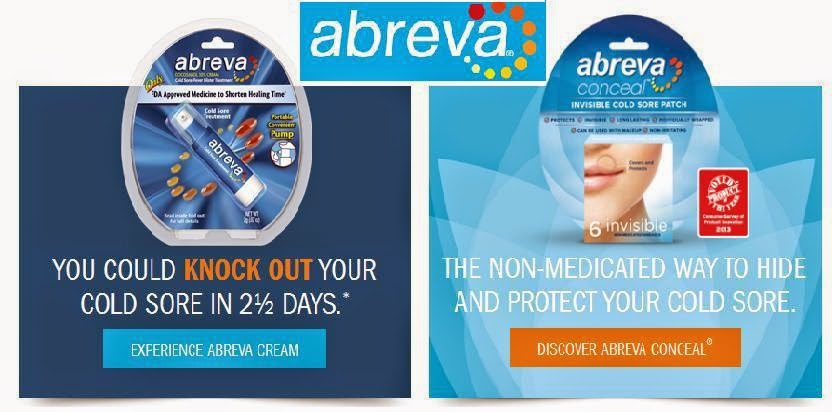
But when you use Abreva cream at the very first tingle, you'll help shorten the healing time of your cold sore. That's because Abreva cream is the only FDA-approved, over-the-counter cold sore medicine that actually blocks the virus from getting to healthy cells. In fact, only Abreva cream can knock out your cold sore in as few as 2½ days.

Abreva - Fast Healing Cold Sore Treatment

The Abreva Difference - Soothe it fast, Heal it fast

Soothe it.
ABREVA soothes on contact for fast symptom relief. Its cream base contains a moisturizing ingredient. And ABREVA can significantly shorten the time to symptom elimination.

Heal it.
ABREVA's proven medicine, docosanol 10%, helps protect healthy lip cells from viral penetration. This limits the virus's ability to reproduce, thus helping to shorten healing time.

How is OTC ABREVA different from prescription antivirals?
Like antivirals, OTC ABREVA can shorten healing time. ABREVA is the only cold sore product that contains docosanol, a unique active ingredient with a cell entry blocking mode of action which inhibit the virus from entering the cell. It is not classified as an antiviral because, unlike antivirals, ABREVA does not act directly on the herpes virus.

Docosanol can modify the membrane of a healthy lip cell to help inhibit the ability of the virus to fuse with the cell's membrane. This modified cell membrane acts as a barrier to the cold sore virus, inhibiting it from entering. Since viruses can only replicate inside healthy cells, blocking viral entry helps break the cycle of infection, thus speeding healing.

Abreva Cream
The only over-the-counter cold sore medicine approved by the FDA to shorten healing time. It does that by getting to the root of your cold sore. Quite simply, Abreva cream speeds healing like a prescription, but without one. Abreva cream has a unique, patented formulation, with an active ingredient that speeds healing and helps protect healthy cells against the cold sore infection. Use it at the first tingle, and it could heal your cold sore in as few as 2 1/2 days. Unlike the lip care aisle lookalikes, only Abreva cream penetrates deep to the root of your cold sore to heal it. No other OTC cold sore product can do that.

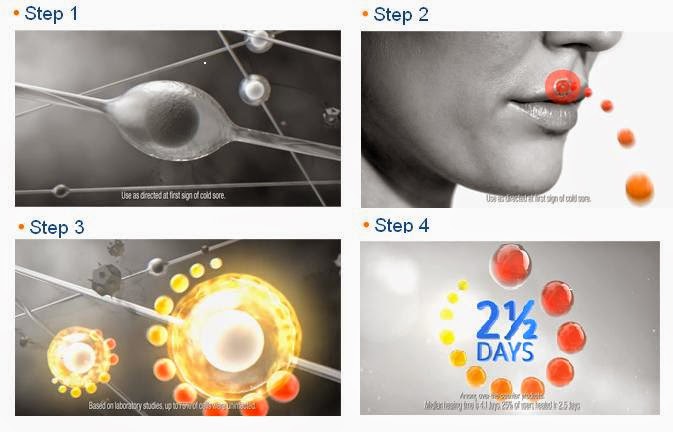
How Abreva cream works
Step 1: When the cold sore virus activates, it spreads from cell to cell.
Step 2: As soon as you apply, Abreva gets to work.
Step 3: First, it penetrates into the skin.
Step 4: Then, Abreva blocks the virus, protecting healthy cells.

Abreva - Fast Healing Cold Sore Treatment

When used at the first sign, only Abreva can heal a cold sore in as few as two and a half days.

The medicine in Abreva cream goes deep into the skin to strengthen the cell membranes surrounding your healthy skin cells. It actually turns these cells into barriers against the cold sore virus blocking the virus from entering healthy cells. Abreva cream is the only OTC brand that has been clinically proven to shorten the healing time of cold sores and is approved by the FDA to heal cold sores.

How to use Abreva Cream
1. Don’t Skimp; Don’t Skip: Abreva cream is recommended for adults and children 12 years and over, and should be used exactly as directed: five times a day (starting with the first sign a cold sore is coming on) until your cold sore is healed, for a maximum of 10 days.

2. Keep It Clean: Remove any cosmetics prior to applying Abreva cream. Apply Abreva cream directly to your cold sore at the first sign of a tingle, redness, bump or itch for best results. If you wish, you can apply cosmetics such as lipstick over Abreva cream. And always wash your hands with soap and warm water before and after treating your cold sore.

3. Apply Good Sense: To avoid spreading the infection, always use a separate applicator, like a cotton swab, if you wish to apply cosmetics to an unhealed cold sore.

4. Don’t Bug Your Cold Sore: Never, never, never pick, scratch or squeeze your cold sore. This may cause scarring or a longer-lasting cold sore.

5. Keep Your Hands Clean: Always wash your hands after touching or putting ointment on a cold sore. Thoroughly washing your hands during an outbreak can keep you from spreading the cold sore virus to other parts of your body and to other people.

6. Carefully Consider Treatment Options: If left untreated, cold sores generally take 8 to 10 days (sometimes longer) to heal. Know what treatment options are available so you choose the one that’s right for you. With the right treatment, you may be able to speed up healing faster than the 8 to 10 days the body normally takes to fight the virus. Abreva cream is the only FDA-approved over-the-counter treatment proven to significantly shorten healing time.

7. Reduce the Risk to Others: Take precautions during each cold sore stage to protect the people you care about. Make sure you know the dos and don’ts of reducing the risks to others so you can properly protect the people around you from getting your cold sore virus.

8. Talk to Your Pharmacist: Talk to your pharmacist to get the best treatment advice. It’s also important to talk to your pharmacist or healthcare professional if a cold sore lasts more than 10 days, or if you’re not sure the sore you see and feel is actually a cold sore.

Abreva Conceal- Hide your cold sore
Abreva Conceal is a colorless, non-medicated patch that covers your cold sore and provides a smooth surface for applying makeup. It lasts for hours. Best of all, it lets air in while keeping contaminants out, so you keep your cold sore clean and still look your best.

 It’s a clear, non-medicated patch that instantly conceals your cold sore and enables you to apply makeup on top. Abreva Conceal can last up to 8 hours. MicroAir technology allows air in while keeping contaminants out. It also lets you cover up with makeup.

Abreva Conceal Patch is non-medicated
It’s designed to cover and protect your cold sore. You can even apply makeup on top of the patch while protecting your cold sore.

Why you should use it
A cold sore shouldn’t make you have to hide from the world. But Abreva Conceal is about more than just beauty. Though it does allow you to put makeup over your cold sore, it most importantly creates a protective barrier that allows air in while keeping contaminants out.

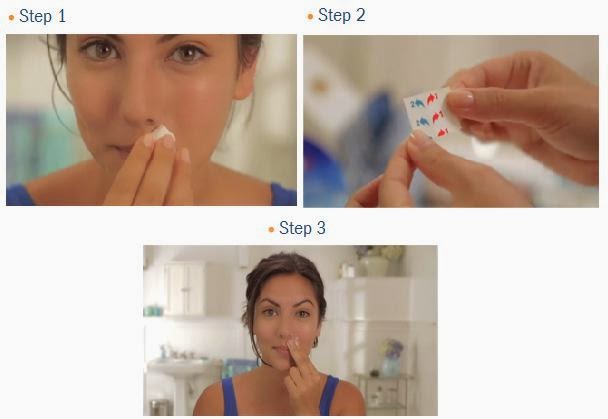
How to apply Abreva Conceal
Step 1: Start with clean, dry skin
Step 2: Peel tab 1, then tab 2. But don’t touch the sticky part
Step 3: Press the patch onto your cold sore and hold firmly for at least 15 seconds

Abreva - Fast Healing Cold Sore Treatment

Pros and Cons Of Abreva
1. No smell
Abreva is in the form of a white cream. It does not burn or sting, not it has any flavor or stench. This is hundred percent true, which Iearnt from my very own personal experience.

2. No discomfort
Unlike other medicines, Abreva does not cause any discomfort or irritation when applied to my body. Moreover, another advantage I experienced was I was able to sense my recovery. I am able to see fast curing of my sores.

3. Docosanal
Docosanal efficiently works on the healthy cells. It effectively puts a shield on my healthy cells and safeguards it from the herpes simplex virus’ invasions. This assisted in the prevention of scattering of infections in the nearby vicinity, which in turn facilitated in the fast curing of my cold sores.

4. The earlier, the better
Most of the Abreva Reviews says that in order to get the maximum benefit from Aberva, it is better you install the docosonal shield of Abreva at the earlier stage itself, when you get the first tingle. Invasions by less amount of herpes simplex virus cells leads to only to small amount of blister. Hence you will be having only small cold sore, when you have blisters in tiny amount. Setting up the Abreva’s docosanal shield assists in minimizing the cold sore symptom and facilitates in rapid curing.

5. For effective functioning of Abreva

In order to make the Abreva work effectively you need to follow some therapy guidelines. The first and foremost is you need to wash the cold sore thoroughly with water so as to minimize the viral content.

It is highly recommended that you need to apply Abreva for at least three to four waking hours (Almost 5 times daily). It is highly suggested that you first rinse your face that assists in eradicating the herpes simplex virus, which is the main reason for the formation of cold sores. In order to get better results, you can thoroughly wash the cold sore itself with water. I experienced quick and positive outcomes.

6. Rinse the cold sores with salt water
Prior to applying Abreva use salt water to clean the cold sore, this assists in the effective functioning of Abreva. I washed my cold sores thoroughly with salt water. This removed most for the pus & the necrotic skin from my cold sores. I then applied Aberva and experienced quick and fruitful results.

Cons
Based on my personal experience I didn’t come across any major disadvantage with Abreva.

Myotcstore Related Brands:

Chloraseptic Sore Throat Relievers

Jakeman

Pine Bros Throat drops

Carmex Cold Sore Relievers

L-Lysine Herpes Cold Sore

Blistex LipCare

Anti-Diarrheal Preparations

Anti-Diarrheal Preparations

Diarrhea is a major cause of death, especially in developing countries. While diarrhea is a very common illness, it becomes a cause of serious concern when severe dehydration sets in. Diarrhea is the passage of 3 or more loose, watery stools per day. Whether acute or chronic, it is due to hypermotility of the colon or due to disturbances in fluid and electrolytes in the intestine. Much of the weight of a stool is made up of water. Thus, during the course of diarrhea, a lot of water is lost from the body. This is the reason why people get dehydrated during this illness. Diarrhea has many causes, and treatment lies in addressing the particular factor that is actually causing it.

In most cases, diarrhea signs and symptoms usually last a couple of days. But sometimes diarrhea can last for weeks. In these situations, diarrhea can be a sign of a serious disorder, such as inflammatory bowel disease, or a less serious condition, such as irritable bowel syndrome.

Medicines like Pepto Bismol, Gas-ex, Imodium, H2 blockers and Emetrol can help with the pain. It is important to find out if you suffer from acidity, because things like citrus foods / juices, carbonated beverages, alcohol and caffeine are to be strictly avoided from your diet. Visit your doctor if your stomach pain and diarrhea don't go away within a week's time.

Anti-Diarrheal Preparations

Symptoms of Diarrhea
Symptoms of diarrhea can be broken down into uncomplicated (or non-serious) diarrhea and complicated diarrhea. Complicated diarrhea may be a sign of a more serious illness.

Symptoms of uncomplicated diarrhea include:
• Abdominal bloating or cramps
• Thin or loose stools
• Watery stool
• Sense of urgency to have a bowel movement
• Nausea and vomiting

In addition to the symptoms described above, the symptoms of complicated diarrhea include:
• Blood, mucus, or undigested food in the stool
• Weight loss
• Fever

Common causes of diarrhea include:
• Viruses: Viruses that can cause diarrhea include Norwalk virus, cytomegalovirus and viral hepatitis. Rotavirus is a common cause of acute childhood diarrhea.

• Bacteria and parasites: Contaminated food or water can transmit bacteria and parasites to your body. Parasites such as Giardia lamblia and cryptosporidium can cause diarrhea.

Common bacterial causes of diarrhea include campylobacter, salmonella, shigella and Escherichia coli. Diarrhea caused by bacteria and parasites can be common when traveling in developing countries and is often called traveler's diarrhea.

• Medications: Many medications can cause diarrhea. The most common are antibiotics. Antibiotics destroy both good and bad bacteria, which can disturb the natural balance of bacteria in your intestines. This disturbance sometimes leads to an infection with bacteria called Clostridium difficile, which also can cause diarrhea.

• Lactose intolerance: Lactose is a sugar found in milk and other dairy products. Many people have difficulty digesting lactose and experience diarrhea after eating dairy products.

Your body makes an enzyme that helps digest lactose, but for most people, the levels of this enzyme drop off rapidly after childhood. This causes an increased risk of lactose intolerance as you age.

• Fructose: Fructose, a sugar found naturally in fruits and honey and added as a sweetener to some beverages, can cause diarrhea in people who have trouble digesting it.

• Artificial sweeteners: Sorbitol and mannitol, artificial sweeteners found in chewing gum and other sugar-free products, can cause diarrhea in some otherwise healthy people.

• Surgery: Some people may experience diarrhea after undergoing abdominal surgery or gallbladder removal surgery.

• Other digestive disorders: Chronic diarrhea has a number of other causes, such as Crohn's disease, ulcerative colitis, celiac disease, microscopic colitis and irritable bowel syndrome.

Treatments for Diarrhoea
The most important aspect of treating diarrhoea involves avoiding dehydration and replacing lost fluid. Because plain water does not contain sugar, sodium, or potassium, which are also lost in diarrhoea, it is important to consume plenty of fluids that contain these substances. Examples of appropriate drinks include water, prepared re-hydration solutions, chicken or beef soup. Fruit juice or fizzy drinks can make diarrhoea worse in children.

If you also are vomiting, try taking tiny amounts of liquid every 15 minutes. After you are able to hold down liquids, you can advance to a bland, soft diet.

You may be asked to avoid fats, sweets, coffee, and milk products until you are completely over the diarrhoea.

Effective antidiarrhoeal medicines such as loperamide, that works by slowing down the muscle movements in the gut, are available over the counter for adults and children over 12. This medicine shouldn’t be used if breastfeeding. Pharmacists can advise on suitable products.

Seek medical advice before using anti-diarrhoea medicines if there is blood in the poo,a high temperature or other symptoms, and in the case of severe or persistent diarrhoea in a child under 12.
 
Anti-Diarrheal Preparations

In severe diarrhoea due to infectious bacteria, your doctor may advise taking antibiotics to help resolve the symptoms. However, antibiotics won't help with viral diarrhoea, which is the most common type of infectious diarrhoea.

Preventing diarrhoea
To prevent diarrhoea caused by infection, you should take steps to prevent the infection spreading. For example, make sure you:

• Wash your hands thoroughly after going to the toilet and before eating or preparing food
• Clean the toilet, including the handle and the seat, with disinfectant after each bout of diarrhoea
• Avoid sharing towels, flannels, cutlery or utensils with other household members
• Stay at home until at least 48 hours after the last episode of diarrhoea

Home Remedies on for Upset Stomach and Diarrhea
• Elevate your legs while lying down with a bunch of pillows to help keep it up, which could lessen the intensity of the stomach ache.

• Drink plenty of water when experiencing diarrhea, it helps you visit the bathroom more often to get rid of loose stool.

• For a troublesome stomach pain attack, drink some ginger ale to help soothe the sensations.

• Eat plenty of fruits and veggies to give your system enough fiber to solidify your stool gradually.

• It is good to have a hot water bottle that you can pour water into to use as a stomach pain easer. Place this against your tummy while sitting or lying down, to help with the pain.

• Going to the bathroom as often as you can to empty your bowel system will do you good, so avoid holding it in.

• To give your stomach some acidity to decrease pain levels in the stomach from the lack of it, drink a glass of milk twice a day or eat a container of yogurt before heading to bed.

• Drink a cup of chamomile tea which will help your system restore digestive functions.

• If you have acidity problems, avoid drinking milk / yogurt or it will only worsen the pain. It is important to know exactly what is wrong with your stomach before acting out on a remedy. Drink hot water instead if acidity troubles are the one to blame.

• Drink a glass of carbonated water once everyday to help with stomach indigestion problems and diarrhea.

• Take a mild laxative like castor oil to empty out your system naturally to help relieve stomach pain.

• In times of stress, calm yourself down with meditation or deep breathing exercises before eating or drinking anything. It can cause a lot of stomach related problems if you eat / drink with a troubled mind.

Myotcstore Related Products:

Kaopectate Extra Strength Liquid for Anti-Diarrheal Peppermint - 8 Oz

Pepto Bismol Original AntiDiarrheal Upset stomach Liquid - 12 Oz

Rising floranex antidiarrheal agents granules packets - 12 ea

Preferred Plus Anti-diarrheal Loperamide HCI Soft Gelatin 2 Mg Capsules - 24 Softgels

Imodium A-D Anti-Diarrheal Mint Flavor Liquid for Ages 6 Years and up - 4 Oz

Aches and Pain Relievers

Aches and Pain Relievers

All of us have experienced some form of pain at some point of time in our lives. If you find it difficult to get up and down stairs because of joint problems or aches and pains then there is equipment that can really benefit you and prevent the discomfort you may feel when climbing stair. Pain is the unpleasant sensation associated with physical injuries and several medical conditions. A number of chemicals or neurotransmitters are responsible for carrying the pain signals to the brain. However, our body also produces several other chemicals that can act like natural painkillers.

Aches and Pain Relievers

Causes of Muscle Aches
• Exertion: In today's super fast paced lifestyle, feeling exhausted after coming home is obvious. With age, our body reduces its ability to follow the demands of modern lifestyle, which can lead to muscle aches and fatigue. Laborers working in manufacturing sector and at construction sites commonly experience muscle soreness all over the body after a hard day's work. However, this is normal and the pain vanishes after having a good night's sleep.

• Injury: Sports injuries such as hamstring, cause partial or complete tearing of muscles, located in the back area of the leg. Hamstring injuries cause consistent muscle pain and normal activities like walking are troublesome.

• Muscle Cramps: Muscle cramps, also referred to as spasms are painful sensations that occur when certain muscle groups contract involuntarily. This happens when the muscles are subjected to intense physical activity for an extended duration. Following a rigorous exercise routine is certainly good for health, but when it is done for more than an hour, it can cause muscle cramps in the legs and arms.

• Medications: Drugs prescribed to lower elevated cholesterol levels as well as those used to bring down high blood pressure can also cause muscle aches. Statins and ACE inhibitors are the class of drugs that produce side effects such as involuntary muscle contractions, which eventually causes muscle pain.

• Fibromyalgia: People complaining about muscle soreness all over the body may be suffering from fibromyalgia. In this condition, the muscles, tendons, and the ligaments from head to toe are a cause of discomfort. The muscle pain does not remain confined to a specific area, but affects the entire body. Unfortunately, this condition does not go away within a day or two but is long-lasting. It is typically accompanied by intense feeling of tiredness, sleep disturbances, and morning stiffness.

• Dehydration and Electrolyte Imbalance: Dehydration resulting from insufficient water intake can also cause muscle aches. A dip in body fluid levels can make the muscles weak and cause pain. The major electrolytes circulating in the bloodstream are calcium, potassium, and sodium. All these minerals are present in our body in appropriate proportions. However, when normal range of any of these minerals decreases, it can trigger electrolyte imbalance, eventually causing muscle pain.

• Myositis: Myositis is a term used to describe a group of inflammatory diseases that cause swelling of the skeletal muscles. These are the muscles that are connected to the bones and allow free movement of the arms and legs.

• Muscle Abscess: Muscle abscess occurs when bacteria or parasites invade a specific muscle tissue. This causes inflammation and buildup of pus in the affected area. In such cases, timely treatment is important, otherwise, it may lead to gangrene, a condition that deprives the affected body tissue of blood circulation.

• Viral Infections: Viral infection that cause influenza can also be the culprits behind sudden onset of muscle soreness. Although it is a respiratory disease, influenza causes muscle aches in the arms, back and the legs.

• Lyme Disease: This is a bacterial infection that causes a number of symptoms including skin rash, fever, headache, and muscle soreness. Lyme disease occurs when a small insect known as deer tick, bites. These insects are carriers of the bacterium causing lyme disease and so the symptoms appear within a month after initial bite.

• Poor Diet: In order to have healthy and strong muscles, one must follow a healthy diet. Diet lacking in proteins, essential nutrients like vitamins ( B1 and C) and minerals (calcium and potassium), can have a negative impact on the muscles.

Choose the Best Over-the-Counter Pain Reliever
Choosing the right over-the-counter pain reliever to deal with some type of minor ache or pain is a task that just about everyone faces from time to time. The process is a little more involved than simply selecting the first product that catches the eye. In order to find the best over-the-counter pain reliever for your situation, it is important to take into consideration the type of discomfort involved, possible adverse interactions with any prescription medication that is currently being used, and any side effects that may occur due to allergies or similar factors.

The first step in choosing the right over-the-counter pain reliever is to determine the nature of the pain itself. Muscle aches may be better served with the use of some type of topical reliever than taking something internally, depending on where the ache is taking place. At the same time, taking a pain reliever that is in the form of a capsule or tablet may be the better option if the pain is the result of a headache brought on by stress. Understanding the nature of the pain will make it easier to narrow down the choices of over-the-counter or OTC pain relievers and focus on the ones that are formulated to help with your particular complaint.

 Choose the Best Over-the-Counter Pain Reliever

Once you’ve identified the types of pain relievers that are most likely to provide relief for your particular ache or pain, the next step is to consider the possibility of interaction with any of your prescription medications, or even other OTC products normally taken. Many people forget to do this, sometimes with unfortunate results. For instance, taking aspirin for a headache may not be the best idea if the individual is already taking a prescription medication that thins the blood. In like manner, people taking certain types of antidepressants or anti-anxiety medications will want to avoid some over-the-counter pain reliever products that contain ingredients that could either counteract or magnify the effects of those prescription drugs. Always be aware of possible drug interactions before taking any type of OTC pain reliever.

Take into account any allergies you may have before choosing any over-the-counter pain reliever. The idea is to alleviate pain, not cause additional distress. If you are aware that a certain OTC pain reliever causes you to break out in an itchy skin rash or produces some other uncomfortable physical side effect, do not use it. With the wide range of OTC pain relievers on the market today, it is relatively simple to find something that will ease the pain, but not trigger a whole range of other issues that result in additional discomfort.

Herbal Pain Relievers
Pain can be caused either due to injury or trauma. There are many medical condition like arthritis, migraines, chronic back pain, etc. which need treatment for pain management.

1. Capsaicin: It is not a pain-killer per se, but it is beneficial for the treatment of pain. It is present in all types of hot peppers and is actually a chemical that is responsible for the mouth-burning effect of peppers. Capsaicin helps to reduce the sensitivity of the pain-relaying nerves in the areas which is affected with pain. It is said to reduce pain caused due to arthritis, migraine, etc.

2. Fish Oil: Although there is a lot of hype about fish oil to treat pain, research has indeed shown that it does help to treat pain. Research also points to the fact that people stopped taking prescription pain killers completely after they started taking fish oil supplements everyday.

3. Turmeric: Turmeric is widely used in Indian and Southeast Asian cooking. Turmeric contains curcumin, which is a powerful anti-inflammatory agent. Therefore, it is often used with other herbs to get relief from pain.

4. Devil's Claw: It is used for the treatment of pain caused due to rheumatoid arthritis. It is also used as a natural pain reliever for osteoarthritis, tendinitis, neck pain, back pains, etc. In some cases, patients were able to go off painkillers after starting treatment with this herb. It not only helps in relieving pain, but is also useful in improving the overall quality of life of the patients.

5. Boswelia: This herbal pain relief medicine is very effective in preventing and suppressing inflammatory chemical reactions. It is made from the bark resin of the frankincense tree. Boswelia is often recommended in Ayurveda for the treatment of arthritis and inflammatory bowel problems.

6. White Willow Bark: It is a natural pain reliever. Aspirin is the synthetic version of this herb. However, the natural white willow bark does not cause gastric side effects, which are often seen in patients who take aspirin. Along with pain relief, it also helps to reduce inflammation in the joints.

7. Ginger Root: Ginger root is a widely used herbal remedy, as it has warming properties which help to improve blood circulation. It is helpful not only for the treatment of pain associated with arthritis, but also menstrual cramps and backache. It may also be used to treat sore throat. It is an analgesic and also has anti-inflammatory properties.

8. Valerian Root: Valerian root is used as a skeletal relaxant, and it is also used to treat chronic pain. It can also be used to treat headache, cramps, insomnia, shingles, neuralgia, stress, and trauma. It has antispasmodic and sedative properties.

9. Arnica: This homeopathic pain reliever is said to be especially useful for the treatment of soft tissue injuries and bruising. It helps to alleviate general muscle pain and sprains. Arnica can also be used externally as a preventive medicine to avoid injury before exercising or racing. Therefore, it is seen that arnica is used topically, and not on open or broken skin.

Before taking any of these herbal painkillers, it is important to have a word with your health care professional, to avoid any reaction with the prescription drugs. In some cases, the effect of the prescription drugs may be reduced due to the use of these herbal pain relievers. Also, if you are on a prescription medication, do not stop its use without consulting your physician.

Natural Pain Relievers
Aspirin is one of the most common painkillers that work by reducing the level of pain-producing chemicals found in our body. The same effect can be produced by some herbs that can reduce pain and inflammation without producing the usual side effects associated with the long-term use of painkillers. Here are some common herbs that have been used for a long time to ease the pain and inflammation associated with several medical conditions.

Herbs for Pain Relief

Herbs for Pain Relief
1. Spearmint Oil: Spearmint is a herb of the mint family that is known for its medicinal properties. Spearmint oil is commonly used as a flavoring agent in confectionery, toothpastes, chewing gums, and other pharmaceutical products. It has antibacterial and antifungal properties, for which this herb is used for alleviating a number of ailments, including fever, bronchitis, headaches, and nasal congestion. Spearmint oil has strong anti-inflammatory and anti-spasmodic properties, and so, it can be used for relieving pain.

2. Eucalyptus Oil: Eucalyptus oil is highly valued for its analgesic, sedative, and antispasmodic properties. It can ease pain and inflammation by stimulating the flow of blood and oxygen to the affected area. It is more commonly used to relieve headaches, as well as muscle and joint pain. Apart from providing relief in pain, this oil can alleviate several other health problems, like respiratory problems, fever, diabetes, and dental problems.

3. Peppermint Oil: Peppermint is another herb that belongs to the mint family. It is quite popular as a flavoring agent in confectionery, ice creams, and toothpastes. Peppermint is one of the oldest herbs to be used for medicinal purposes. Like spearmint oil, peppermint oil has antispasmodic and analgesic properties. It can be used to relieve abdominal cramps, headaches, and menstrual cramps. Apart from these, it can be used for conditions like indigestion, vomiting, nausea, and nasal congestion.

4. Meadowsweet: The meadowsweet plant is quite popular among herbalists as a natural painkiller that can work just like aspirin. It can reduce pain but without irritating the stomach lining, unlike aspirin. Studies have revealed that meadowsweet can protect the stomach from ulcers and irritation, and therefore, it is sometimes recommended for stomach ulcers as well. But before taking any kind of herbal medicine, it is better to talk to a health care professional.

5. Ginger: Ginger is a common herb that can be used to ease both pain and inflammation. Ginger oil can provide substantial relief in arthritis, and improve the circulation of blood to the inflamed areas. Several studies have revealed its effectiveness in relieving the pain caused by rheumatoid arthritis. It can also alleviate the pain and inflammation associated with osteoarthritis, without causing any serious side effects.

6. Wintergreen Oil: Wintergreen oil is a natural analgesic that is commonly used for joint and muscle pain. It has been approved by the FDA (Food and Drug Administration) as an over-the-counter analgesic that can be used for external application. Like ginger, wintergreen oil has shown efficacy in relieving arthritis pain due to its analgesic and anti-inflammatory properties.

The oil extracted from these herbs can help reduce muscle and joint pain, stomach cramps, headaches, and even painful arthritis. Their external use is quite safe and is not associated with any major side effects. But the excessive consumption of certain herbs may cause some side effects, especially in the long run. So, it is not advisable to ingest them for medicinal purposes without consulting a herbalist or health care professional.

Myotcstore Related Products:

Major Pharma Pain Reliever Plus Pain reliever Aid Tablets - 100 Ea

Advil ibuprofen 200 mg tablets pack of two - 50 ea

NatuRelief Natural Pain Management, Chewable Tablets - 30 ea

Goodys fast pain relief extra strength powder relieves minor aches and pains - 2 ea

Mentholatum ointment tube, for muscle aches and pains associated with colds - 1 Oz

Aleve Pain Reliever And Fever Reducer Caplets - 270 ea

Blood Glucose Testing Monitors

Blood Glucose Testing Monitors

Those who suffer from diabetes or have a past record in one's family history of this condition, will benefit from owning a blood glucose monitor that helps track spikes and dips in one's sugar levels. The amount of blood glucose is one of the important indicators of our health. The glucose level below or above the normal range suggests several ailments. Often, people who are diagnosed with Diabetes or other health conditions, that call for maintaining a stable blood sugar level, need to continuously monitor their glucose levels. For most patients, who have to keep a check on their glucose levels, blood glucose monitors are very useful and can be used conveniently.

Sugar is an important source of energy, especially for the brain. The amount of glucose in the blood is carefully controlled by the endocrine (glandular) system. This system causes sugar to be stored or used for energy, depending on the needs of your body. A blood glucose test is performed to monitor the level of glucose in the blood and hence detect both hyperglycemia and hypoglycemia, which helps in the diagnosis of diabetes mellitus.

Although most monitors require expert supervision, there are several varieties, which are relatively simple and can be used by common people with minimum or no supervision. There exist various types of these monitors that help to keep a check on the glucose levels.

Different Ways to Monitor Blood Sugar
There are a number of ways to monitor the blood sugar levels. Some of the ways are easy, whereas others are complicated. Every patient needs to pick up a monitor that suits his or her medical condition.

Blood Glucose Testing Monitors

1. Chemical Strips
The chemical strips are easy and economical way of measuring one's glucose levels. A drop of blood is taken from the fingertip and is placed on the chemically prepared blood glucose-testing strip. The chemicals in this strip react with the blood constituents and change color according to the concentration of glucose. There is an explanatory chart, which helps to compare the color and interpret results accordingly. However, these monitors are usually recommended only for people, who are not using insulin, or those who can't afford to use an electronic meter.

2. Electronic Blood Glucose Meters
A more expensive and accurate version is the electronic glucose meter. This meter is nothing but an electronic device, which is used for accurate measurement of the glucose level in the blood. A drop of blood (relatively smaller than the one used in chemical strips) is placed on a disposable test strip that is linked with a digital meter. Within a few seconds the glucose level is shown on the digital display.

3. Glucose Sensing Bio-Implants
These are the most advanced devices, which are also very expensive and have to be surgically implanted. These bio-implants can be introduced by minor surgical implantation of the sensors. The longevity of these sensors ranges from one year to more than five years, and differs from product to product.

Normal Range of Blood Sugar Level
The normal range for the glucose is 70-100 mg/dl. A range of 101-125 mg/dl for blood glucose indicates impaired fasting glucose. On the other hand, levels of 126 mg/dl and above indicate a risk of diabetes.

Dangers of Increased/Decreased Glucose Levels
In case a person's blood glucose levels are way to high or too low in comparison with the normal range, then it may lead to conditions of high blood sugar (hyperglycemia) or low blood sugar (hypoglycemia). One of the most common diseases related to persistent hyperglycemia and failure of blood sugar regulation is Diabetes mellitus.

Most of today’s blood glucose meters are relatively easy to use. They tend to be very portable as most are battery operated. Some are more compact or lightweight than others, making them ideal for people who travel or are very active. Certain designs are made especially for those with vision impairments. Blood glucose monitors are available with larger than average test result displays or in designs that give audio instructions as well as verbal readouts. Audio monitors are also available in different languages.

Some blood glucose monitors require less blood to perform accurate testing and therefore testing may be less painful. However, it is important to check with your healthcare provider for recommendations, as reporting to your doctor will be simpler with a meter with which he or she is familiar. Speaking of reporting your readings to your doctor, there are blood glucose monitors that keep a log of test results making it simpler to keep track of your readings. While it is recommended that you also keep a paper log of blood sugar readings, some designs allow you to upload the log information to your computer. You can then simply print out the results before heading to your doctor’s appointment.

The most common method of testing with blood glucose monitors is sticking the finger, depositing blood on strip, and inserting the strip into the meter. There are also catheter designs. Rather than sticking a finger, a tiny tube is inserted right under the skin for continuous blood glucose monitoring. There is also a watch style, worn like a wristwatch. This type does not actually break the skin but pulls out fluids, recording the amount of glucose in the fluid.

Best Tips for Glucose Monitoring
Glucose monitoring can be quite tedious and painful at times. One great tip for people who need to regularly monitor their blood sugar levels is to take advantage of the latest blood sugar monitoring devices. Regular monitoring is very important, especially when first diagnosed, in order to understand how the body's glucose levels normally change. Increasing blood circulation to the fingers, pricking the sides of fingertips, and rotating the fingers that are pricked are great ways to reduce pain involved with monitoring glucose levels.

The first tip for glucose monitoring is to take advantage of technological advances in this area. Monitoring the blood glucose level used to require frequent doctor visits and lab tests, but today portable electronic devices are available that allow people to monitor their glucose levels anywhere, anytime. In combination with a finger prick and test strips, these home monitors provide everything a person needs to find what her glucose levels are at any given moment. Other advances in technology have eliminated the need for constant finger pricking, which allows continuous monitoring using a small catheter inserted under the skin. The catheter monitors the glucose in the interstitial fluid and sounds an alarm when the levels become too low or high.

Blood Glucose Testing Monitors

Another tip for glucose monitoring, particularly for people recently diagnosed with diabetes or another disorder that affects blood sugar levels, is to frequently monitor blood sugar. The best times to test are on an empty stomach, such as before meals and when first waking up in the morning. Many people experience frequent finger pricking as unpleasant, but rest assured that the more it is done in the beginning, the better understanding a person will have of his or her natural blood sugar levels rising and falling throughout the day. Advances in technology are working on ways to make finger pricking obsolete, but for the time being it is a good investment that will hopefully bring enough understanding of the body's glucose levels that the frequency of testing needed is reduced.

Trying out a few different testers is another good idea for glucose monitoring. Find a device that is comfortable and causes the least amount of pain. Washing hands in warm water and shaking the arms can increase blood circulation to the fingers, which can making finger pricking easier. Prick the sides of the fingertips, where there are fewer nerve endings, to minimize pain. Another great tip is to rotate the fingers, giving each finger more time to heal between pricks.

Adjusting diet and exercise habits is another great tip for glucose monitoring. Eating frequent small meals throughout the day will reduce the spikes in blood sugar levels that can occur when large amounts of food are consumed at once. A person should consult his or her physician for specifics about diet and exercises that are best for his or her specific condition.

How to Reduce Glucose Levels Naturally

1. Diet: Glucose levels in our blood are majorly affected by the food that we eat. Glucose chiefly comes from carbohydrate foodstuffs. Hence, carbohydrate intake should be reduced if your sugar levels are shooting up. Foods that quickly convert into glucose by the body should be avoided. Food rich in fats and those which have high sugar content have to be avoided as well.

Now, foods that reduce glucose levels are called low-gylcemic food. It is advisable to consult a doctor before you fix up a diet plan to reduce blood glucose levels. A few low-gylcemic foods that you must include to lower your blood sugar levels are high fiber fruits, nuts, lemons, cherries, garlic, sweet potatoes, granola, avocado, flaxseed, fenugreek, raw vegetables, and a whole lot of green leafy vegetables. A recent research shows that herbs also help lower glucose levels. Having ginseng after meals, including huckleberries and licorice extract in your diet, assist to reduce glucose levels.

2. Drink Plenty of Water: Drink at least 8 to 10 glasses of water daily. This will help you digest your food properly. Drinking plenty of water cleans your system and boosts your metabolic process. A good metabolic rate helps you get rid of all the toxins in your body. High glucose levels can make you feel fatigued and weak, and hydrating yourself prevents this weakness. It keeps you going and active all the time.

3. Exercise (Physical): Exercising helps you regulate your blood glucose levels. Research shows that without the help of medication, only exercising too can reduce sugar levels drastically. Taking a brisk walk in the morning can definitely help you reduce your sugar levels. Now, why we stress that it ought to be in the morning is because, the early morning sunlight helps your body produce vitamin D. Vitamin D are essential to maintain healthy functioning of ß-cells in the pancreases, that are responsible for the production of insulin. Exercising also keeps you keep away from obesity, as obese people are more prone to the condition of hyperglycemia. Working out in the gym helps as well, but consulting your doctor before you plan your workout regime is advisable.

4. Exercise (Mental): Lowering stress levels and relaxing helps greatly in assisting normal blood sugar levels. When a person is stressed or disturbed, the body releases stress hormones like adrenaline, noradrenalin and cortisol in the blood, that causes the glucose levels to shoot up. Therefore, it is important to regulate your stress levels by practicing yoga or meditation. Yoga reduces the stress hormones and improves the insulin action. Practicing yoga also regulates blood supply to the muscles that enhance insulin receptor expression on muscles, resulting in increased glucose uptake by muscles and thus reducing glucose levels! Yogic postures also stretch the pancreas to stimulate the pancreatic function.

5. Adequate Sleep
: It is believed that your body functions at its optimal level when you are sleeping, and it is true indeed. Not getting enough sleep can affect the processing of glucose by the body. Enjoying some quality time yourself and relaxing, can ease out the stress levels and can help avoid high blood glucose levels.

Though diabetes or having high blood sugar levels were less common years ago, today this condition seems to be sweeping the world. Increased stress levels, improper eating habits, lack of physical exercise, are attributes to conditions like this. Therefore, it is important to know how to reduce glucose levels or keep them normal, for you to live a healthy and happy life!

Myotcstore Related Products:

Accu-Chek Aviva diabetes monitoring kit - 1 ea

Bionime Rightest Blood Glucose Meter Kit - 1 ea

FreeStyle lite blood glucose monitoring system - 1 ea

Glucocard Vital Meter Kit - 1 ea

One Touch UltraMini System Diabetes Kit - 1 Blue

Blood Glucose Test Strips

Blood Glucose Test Strips

A blood sugar test strip is one of the items that people who have type 2 diabetes need in order to self-monitor their blood sugar levels in order to manage and control his or her diabetic symptoms. The strip is disposable, and when blood is drawn onto the strip, a chemical on the strip reacts with the glucose, or sugar, in the blood. The blood sugar test strip is then inserted into the glucometer, which then calculates the sugar levels in the blood. The results typically are available on the meter display within a matter of seconds.

Some strips come with a special code that indicates the characteristics of that batch of strips. The strips can vary from batch to batch, and the code allows the glucometer to be calibrated to that batch. If the meter is not calibrated correctly, the results can be inaccurate. Some strips have the information encoded on the blood sugar test strip itself, so the user doesn't have to input the code.

Usually, self-monitoring tests are conducted before and after meals and at bedtime. The frequency of testing for each patient, however, is determined by his or her physician. Additionally, the criteria for unacceptably high or low blood sugar ranges for any individual would be discussed with a doctor as well, in order for the diabetic person to understand and appropriately act upon the results of the testing for blood sugar.

Blood sugar test strips often come included with the purchase of a blood sugar monitoring kit. The kit usually includes a lancet, a meter and the blood sugar test strips. If blood sugar test strips are purchased separately, they must be compatible with the exact blood sugar monitor being used in order to assure accuracy of the results. Other ways one can ensure the accuracy of a blood sugar test strip include using it before its expiration date; avoiding the storage of test strips where they might be subject to excessive heat or humidity or be exposed to air; and avoiding the loose storage of the strips unless they were foil-wrapped by the manufacturer.

Some meters will save the glucose level information in memory for reporting results to a doctor at a later time. Regardless of whether a meter saves the results, keeping a log of the results is important for managing blood glucose levels. It helps one understand how blood sugar levels are affected by physical activity, foods, medicine and time of day.

Blood Glucose Test Strips

The meter is used to detect low blood glucose levels or high blood glucose levels for prompt attention and correction. For example, if blood glucose level readings are low, the diabetic person can immediately handle it by ingesting sugar items, such as drinking juice or pop and eating raisins, sugar, honey or maple syrup as directed by a physician. After waiting 15 minutes, the blood sugar test can be done again. If the blood glucose level readings are high, the diabetic can walk around for another 15 minutes before retesting. Testing the blood regularly with blood sugar test strips and a reliable meter is a vital part of avoiding complications and managing diabetes.

Chart for Blood Sugar Levels
Normally, the blood sugar levels are tested on an empty stomach, usually after a gap of six to eight hours after having the last meal. This test is known as the fasting blood glucose test. The following chart provides the normal range for fasting blood sugar levels.

Fasting Blood Sugar Levels
• Normal 70-100 mg/dL
• Prediabetes 101-125 mg/dL
• Diabetes 125 mg/dL and above

Blood Glucose Test Strips

The following table provides the average blood sugar levels of a normal healthy adult, 2 hours after eating a meal.

Postprandial Blood Sugar Levels
• Normal 70-140 mg/dL
• Prediabetes 141-200 mg/dL
• Diabetes 200 mg/dL and above

Blood Sugar Levels in Pregnant Women
It is common for pregnant women to be screened for gestational diabetes anywhere between the 24th and 28th week of pregnancy. Gestational diabetes is a temporary form of hyperglycemia (high sugar level). An oral glucose tolerance test is done to ascertain whether a pregnant woman is suffering from gestational diabetes. The urine glucose test is another method for monitoring blood sugar levels in the body. It is done using urinalysis, mostly as a part of a physical or prenatal checkup. The urine glucose test also helps to diagnose urinary tract infection. If a pregnant woman is diagnosed with gestational diabetes, then her fasting blood sugar is greater than 95 mg/dL and her blood sugar readings before meals range from 140 mg/dL to 200 mg/dL.

How is Blood Sugar Measured?
Blood glucose testing is done to screen healthy, asymptomatic individuals for diabetes. Glucose in the blood is measured as whole blood serum, also known as plasma. An increase or decrease in the blood sugar levels in the human body can lead to either hyperglycemia or hypoglycemia. Blood glucose can be measured on a fasting basis, randomly, postprandial (after a meal), and/or as part of an oral glucose tolerance test (OGTT/GTT).

According to the American Diabetes Association, blood sugar should ideally be measured using the fasting glucose or the OGTT which may help diagnose diabetes. However, it is advisable that the test be done at least twice, at different times, to confirm diabetes.

Diabetics can monitor their own blood glucose levels, several times in a day, to record the levels of sugar in their blood. Many home testing kits are available in medical stores, and can be bought on medical prescriptions. The method to test blood sugar using home kits is fairly simple and straightforward. A drop of blood taken from the pricked finger is placed onto a glucose strip, which is then inserted into the glucose meter; a small machine that provides a digital record, as well as a readout of the blood glucose level. The test is completed in about 30 seconds. Most kits also come with charts, where one can record the sugar level changes. These charts have proved to be very useful to doctors, while determining the need for oral medication or insulin.

Blood Glucose Test Strips

The several different types of blood glucose tests performed are as follows:

1. Fasting Blood Sugar Test (FBS) measures the level of glucose in the body, 8 hours after the last meal. It is the first test performed to diagnose diabetes. The normal range for people with no diabetes is lower than 100 milligrams of glucose per deciliter of blood (mg/dL). If the level of glucose in the blood is between 100 mg/dL and 125 mg/dL, this indicates that the patient has a condition known as prediabetes. In such scenarios, the tests are repeated on regular periods and dietary restrictions are suggested to the patient. However, if the level of sugar exceeds 126 mg/dL, then the patient is diagnosed with diabetes.

2. Random Blood Sugar Test (RBS) measures the level of glucose in the body at any point of time. If the level of sugar is between 140 mg/dL and 200 mg/dL, the patient is diagnosed with prediabetes. If the level of sugar exceeds 200 mg/dL, then the patient is diagnosed with diabetes.

3. Oral Glucose Tolerance Test is performed to diagnose Gestational Diabetes which occurs during pregnancy. It is the process of taking a series of blood glucose measurements after the patient drinks a sweet liquid that contains a high quantity of glucose. A normal blood sugar level after an oral glucose tolerance test is lower than 140 mg/dL. If the blood sugar level is 140 mg/dL to 199 mg/dL then the patient is diagnosed with prediabetes.

4.Glycated Hemoglobin Test (A1C) is not performed to diagnose diabetes. Rather, it helps evaluate as to how well a patient is managing diabetes. The A1C test reflects the average blood sugar level for an average of two to three months. The test results show as to what percentage is the hemoglobin sugar coated (glycated). The normal range for people with no diabetes is 4 to 6% while the patients with diabetes are requested to maintain the A1C level to less the 7%. However, if the level is greater than 7%, then the patient may need to change the diabetes treatment plan.

The above tests are performed by a laboratory on the blood sample obtained from you. The results are obtained in a few minutes. Glucose levels in urine also can be measured. Many people with diabetes have glucose in their urine. However, the level in the blood must be very high before glucose can be detected in the urine. For this reason, tests for glucose in urine are not used to diagnose or monitor diabetes.

Diabetics must monitor their own blood glucose levels, often several times a day, to determine how far above or below normal their glucose is and to determine what oral medications or insulin(s) they may need. This is usually done by placing a drop of blood from a skin prick onto a glucose strip and then inserting the strip into a glucose meter of a blood sugar tester, a small machine that provides a digital readout of the blood glucose level.

Preventive Measures
Keeping blood sugar levels in check is not that difficult. Diet plays an important role in maintaining normal glucose levels. Here are some measures that you could follow to keep your blood sugar levels in check.

• A lower intake of sugar and refined carbohydrates, such as white flour, bread, and white rice is generally advised, as a preventive measure for diabetes.

• Eating smaller meals at regular intervals with a diet rich in protein and fiber will help regulate glucose levels in the blood.

• People suffering from diabetes are advised to follow a diabetic diet plan, which will help control sugar levels.

• Regular and moderate physical activity can also keep a check on a person's weight, enabling him/her to regulate sugar levels.

It is important to remember that test results are only a part of a larger picture that has to include your medical history and current health. In case the test results do not return a normal result, it is imperative that you take immediate action and consult a diabetic specialist right away who can guide you with the right treatment and dietary plan.

Myotcstore Related Products:

AccuTrend Cholesterol Glucose Test Strips - 25 Ea

Bayer Contour Next Blood Glucose Test Strips - 50 ea

FreeStyle Lite Blood Glucose Test Strips - 100 ea

Precision Xtra Blood Glucose Test Strips - 50 ea

OneTouch ultra blue blood glucose test strips 100 ea, 4 pack
Accu-Check nano meter smart view test strips - 50 ea